Nine healthy habits from the blue zones
These nine habits reflect the lifestyle of those living in the blue zones. By incorporating them into your life, you too may be able to be healthier and happier in your later years.*
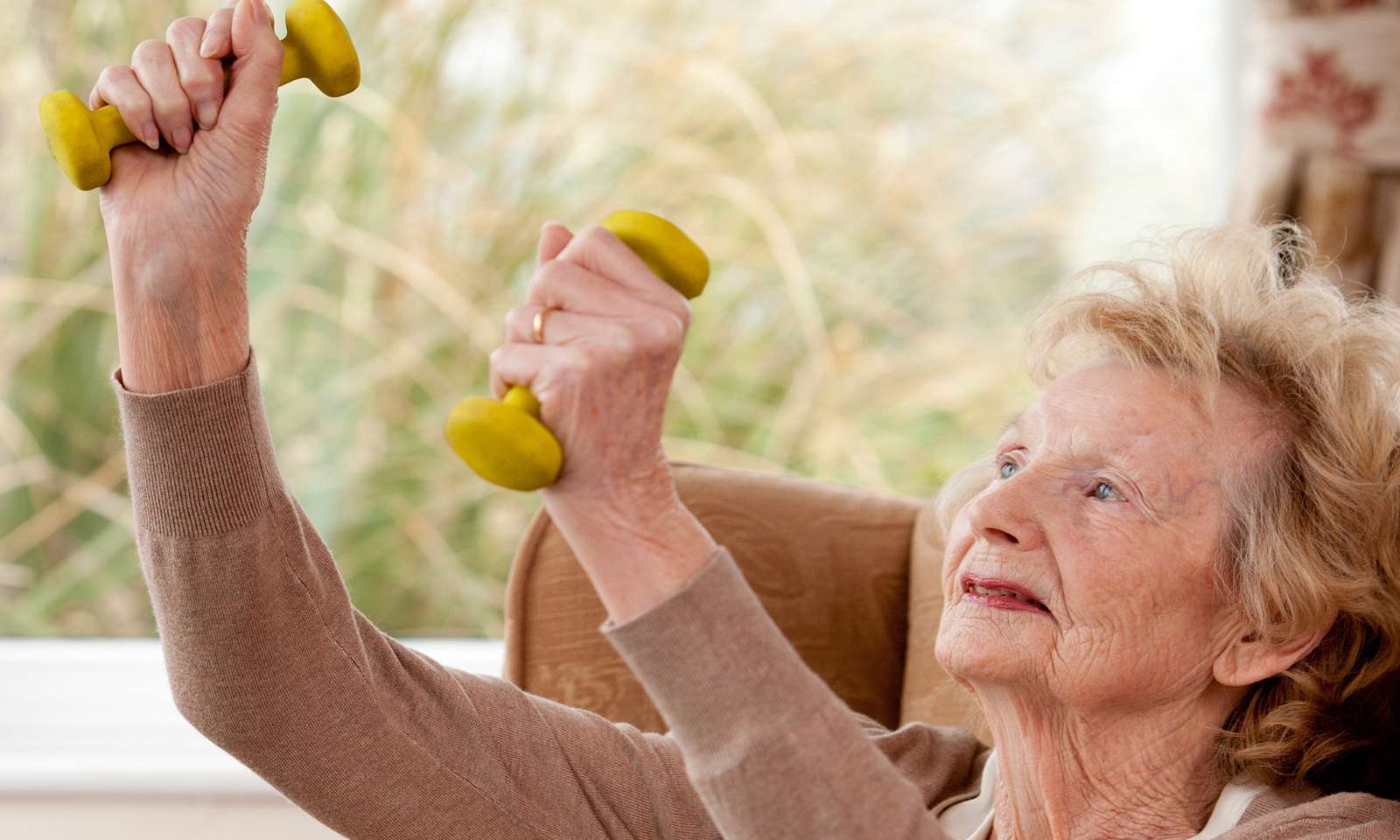
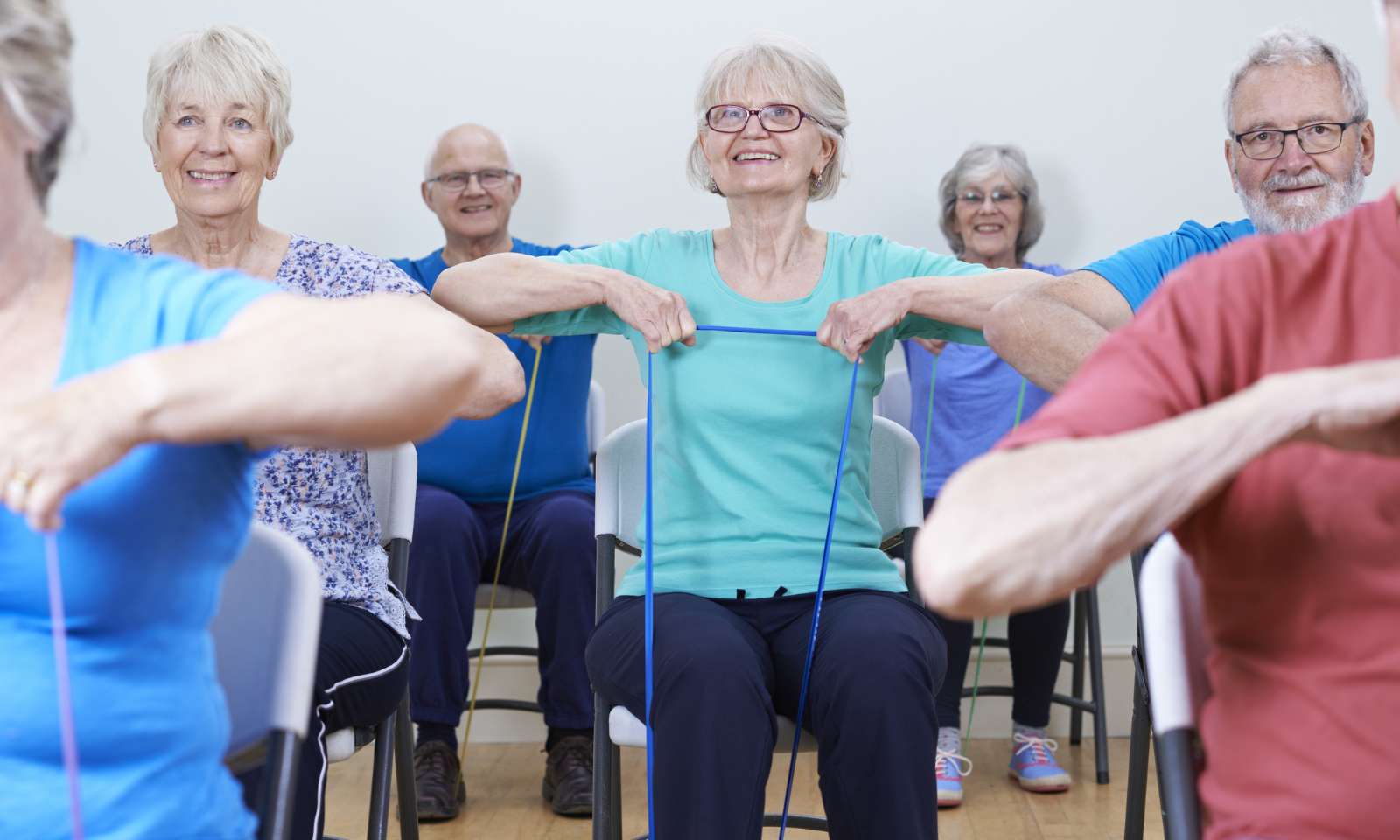
Ensuring that you move as much as you can every day is really important. Natural movements are not about lifting weights or going for a jog, they are everyday activities such as walking, going up and down stairs or hills, standing up and sitting down regularly and doing household chores like gardening and cleaning. By undertaking low intensity movements every day, you can retain the ability to keep moving easily as you age.
The Japanese call it “Ikigai”, which roughly translates as a reason for being. It is believed that having a reason to get out of bed each day and greet the world with joy and purpose, can add an extra seven years to your life expectancy. Having purpose can include many different things, such as finding a hobby that makes you smile, meeting with friends or joining a social group, or becoming a volunteer.
Downshift your stress levels and try not to get angry. It is believed that stress can lead to chronic inflammation which is associated with many age-related diseases. There are many things you can try to help lower your stress. Some people benefit from meditation or mindfulness, whereas for others, it might involve going for a walk in nature or tending their garden. Whatever helps you to downshift your stress level, can also help your longevity.
Almost 64% of adults in the UK are either overweight or obese, which can lead to high blood pressure, type 2 diabetes, heart disease and many other life limiting illnesses. People in the blue zones tend to stop eating when they are 80% full and usually eat their smallest meal in the evenings.
The advantages of a plant-based diet have been prevalent in the news over the past few years. While becoming vegan or vegetarian is a personal choice, Professor Tim Spector, author of Food for Life, advocates that adding more plant-based foods to your diet can make you healthier. People in the blue zones tend to eat a more plant-based diet, with little or no meat or fish. They also consume a variety of whole foods, legumes and a rainbow of fruits and vegetables, they do not over eat and eat slowly with others in a social setting.
While we are not suggesting that everyone should drink alcohol; many of the people living in the world’s blue zones do drink a modest amount of alcohol. This is usually consumed whilst sharing a nutritious meal with friends or family, thus making drinking alcohol part of a social occasion. Eating together can boost your happiness, reduce your stress and contribute to your longevity.
According to the findings made during the study of healthy habits from the blue zones, it is important to have a sense of belonging, either to a faith-based community of any denomination, an intimate group of good friends or an extended family you see regularly. This sense of belonging can help to encourage and support you with physical activity, being social, having faith, reducing stress, volunteering and finding purpose, all of which can increase your life expectancy by 4-14 years.
Family, friends and loved ones are essential to the longevity of those who live in the blue zones. This study found that caring for each other, committing to a life partner, investing in children and grandchildren are a regular part of the lives of the elderly living in the blue zones.
Those in the blue zones are a part of social circles who support healthy behaviours. The Framingham Heart Studies have found that happiness, loneliness, smoking and obesity are “contagious”. By surrounding yourself with the right tribe of people who are healthy, happy and purposeful can help you to form healthy habits and enrich your life with everything that makes your life worth living for.
To find out more about how to “Live to 100 and the Secrets of the Blues Zones”, you can watch the series that helped inspire us to write this page on Netflix.
*Please note the contents of this page are written to help educate readers and does not contain medical advice. Please consult your doctor before undertaking any new diet or exercise regime.