
Growing older is a natural part of life, but how we age can make a big difference in our quality of life. Longevity isn’t just about living longer, it’s about living better.
What is Longevity?
Longevity means having a long life. But today, longevity is more than just the number of years; it’s about the quality of those years. It means being able to move, think and enjoy life fully, even as you get older. True longevity involves ageing well, which is more than adding years to your life—it’s about adding life to your years.
- The average life expectancy in the UK is around 81 years.
- Lifestyle factors can influence up to 80% of our longevity.
- Longevity is influenced by a mix of genetic, lifestyle, environmental and social factors:
1. Genetics
- Family history – Certain genetic factors inherited from parents can predispose individuals to longer lives or increased risks for diseases like cancer, heart disease, and Alzheimer’s.
2. Lifestyle choices
- Diet – Diets high in fruits, vegetables, whole grains, lean proteins, and healthy fats are associated with lower risks of chronic diseases and longer life spans. Blue Zone diets, rich in plant-based foods, are an example.
- Physical activity – Regular exercise reduces the risk of heart disease, diabetes, and other chronic conditions, boosting both longevity and quality of life.
- Sleep quality – Adequate, good-quality sleep is essential for cellular repair, cognitive health, and immune function.
- Substance use – Avoiding tobacco and excessive alcohol consumption helps reduce the risk of multiple life-shortening diseases, including cancer and heart disease.
3. Environmental Factors
- Air quality – Exposure to pollutants and toxins in the environment is linked to respiratory diseases, cardiovascular conditions, and lower life expectancy.
- Sun exposure – Moderate sunlight exposure is beneficial for vitamin D production, but excessive exposure raises the risk of skin cancer, which can reduce longevity.
- Workplace hazards – Those exposed to hazardous chemicals or physically dangerous environments often face shorter life spans if precautions aren’t taken.
4. Healthcare access
- Preventive care – Regular screenings and access to vaccinations and checkups can prevent or catch diseases early, leading to better outcomes.
- Medical advancements – Advances in healthcare, including surgery, medications, and diagnostics, play a major role in extending life expectancy for many.
5. Social and psychological factors
- Social connections – Strong social networks and positive relationships are linked to lower levels of stress, which benefits heart health and immune function.
- Mental health – Conditions like chronic stress, depression, and anxiety can negatively affect longevity, while resilience, optimism, and purpose are associated with longer life.
- Community and culture – Societies with support networks and a focus on family, community, and purpose, like those in the Blue Zones, often see longer lifespans among their populations.
Understanding healthspan vs. lifespan
Lifespan is simply the total number of years you live, while healthspan is the number of years you live in good health, free from major illnesses or disabilities. While people often focus on lifespan, it’s healthspan that makes the biggest impact on quality of life.
Tips to increase your healthspan
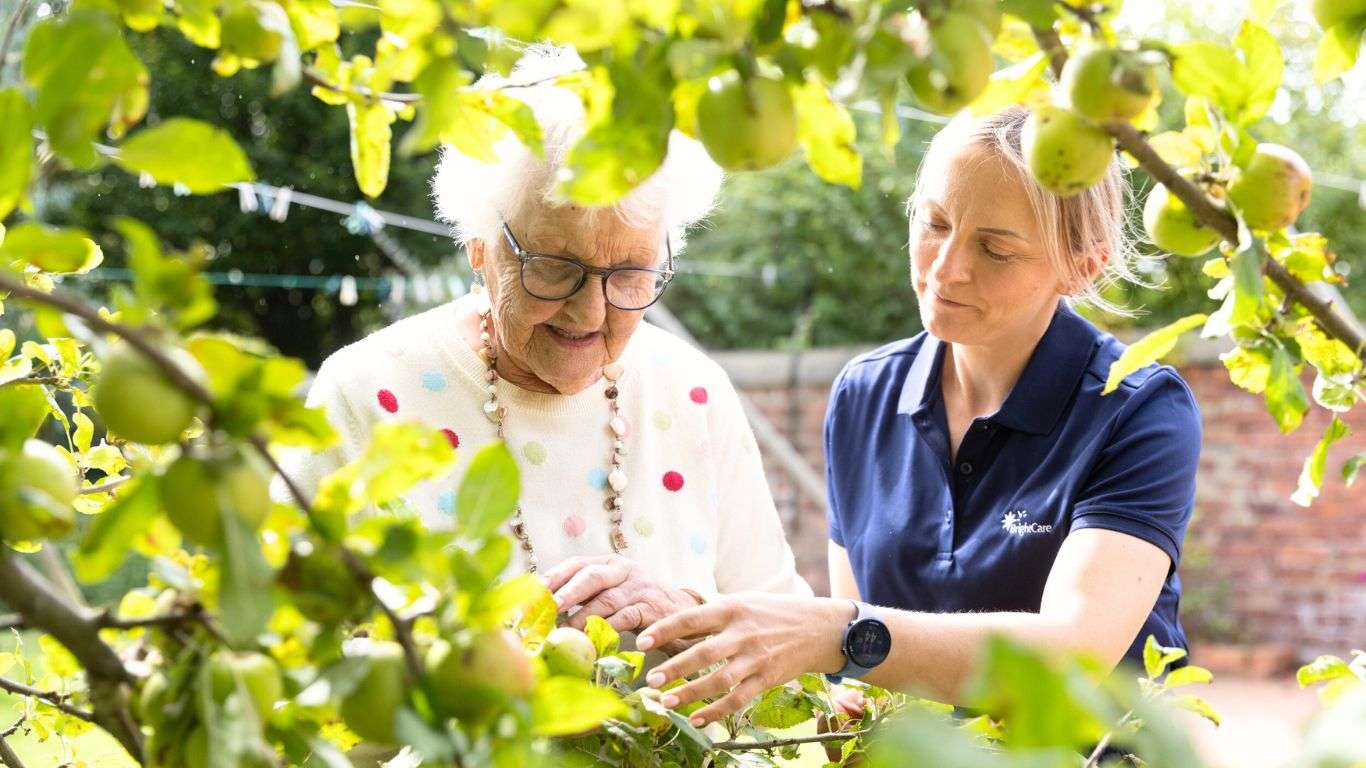
1. Stay physically active – regular physical activity can help you maintain muscle strength, flexibility, and balance. Even low-impact activities like walking, swimming, and gardening can keep your body and heart in shape. For more ideas about how to stay active in later life, read our blog, physical activity and exercise.
2. Eat a balanced, nutritious diet – a healthy diet plays a vital role in ageing well. Diets rich in fruits, vegetables, lean proteins, and whole grains provide nutrients that your body needs to repair and protect itself. You might find our guide on nutrition for elderly people helpful.
3. Prioritise mental health – mental wellness is a huge part of healthspan. Keeping your brain engaged can help protect against cognitive decline, anxiety, and depression.
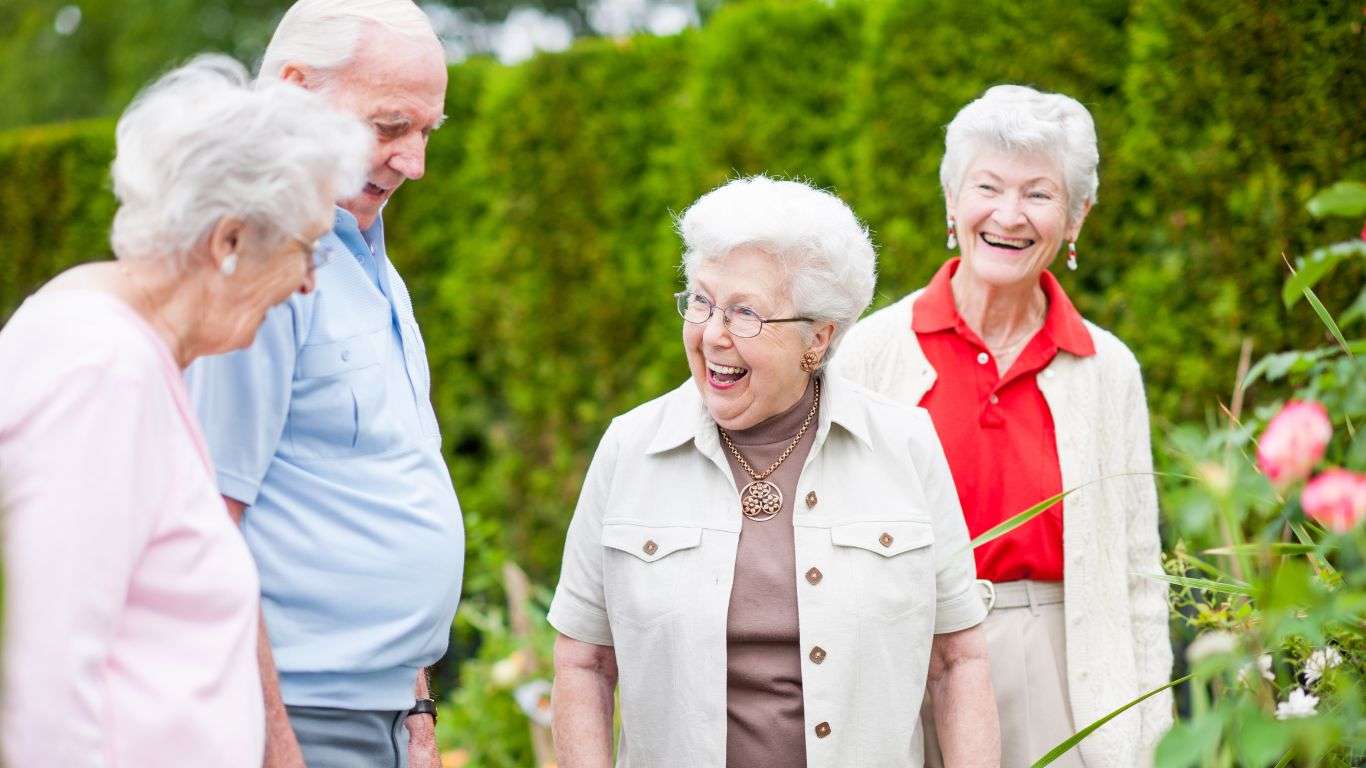
4. Build social connections – staying socially active is linked with longer healthspans. Strong relationships with friends, family, and community have been shown to reduce stress, boost mood, and even support physical health.
5. Prioritise sleep – quality sleep is crucial for mental clarity, immune function, and emotional resilience. Aim for seven to eight hours each night and establish a calming bedtime routine to get restful, uninterrupted sleep. You can find out more about the importance of sleep for older adults on our blog.