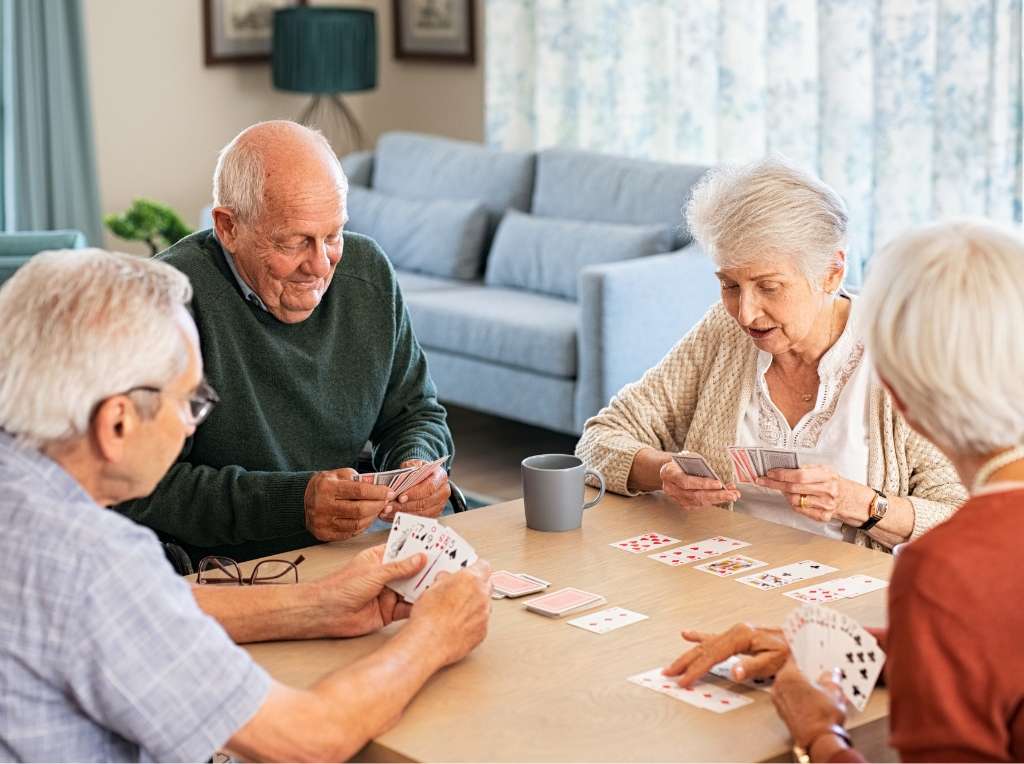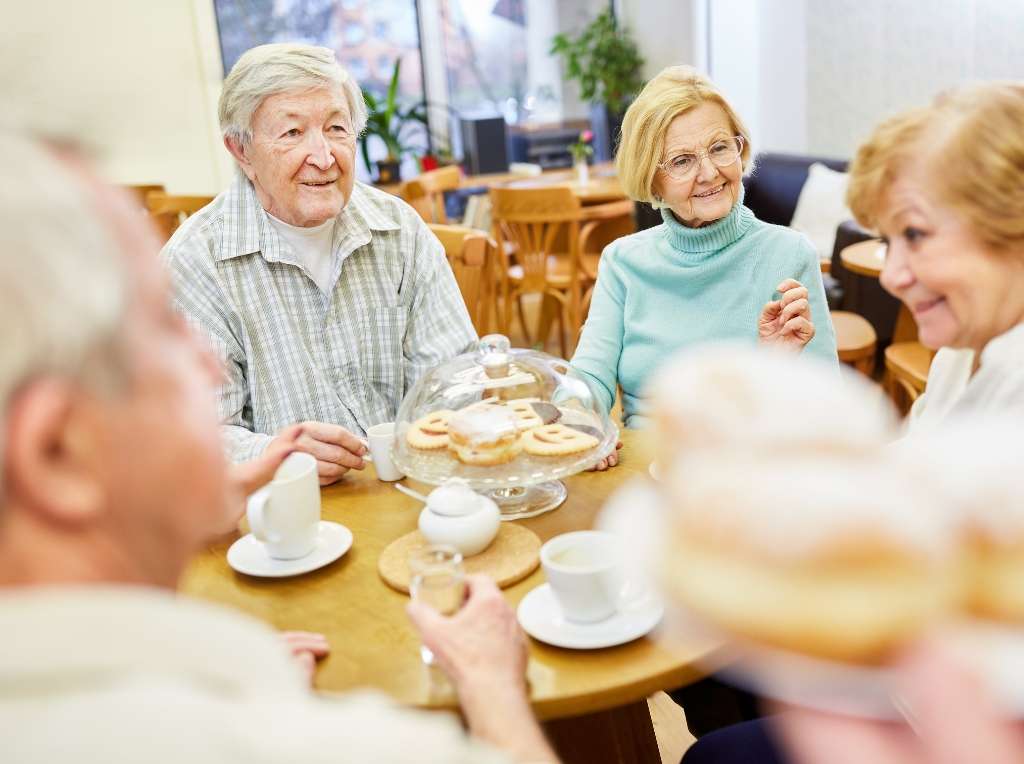

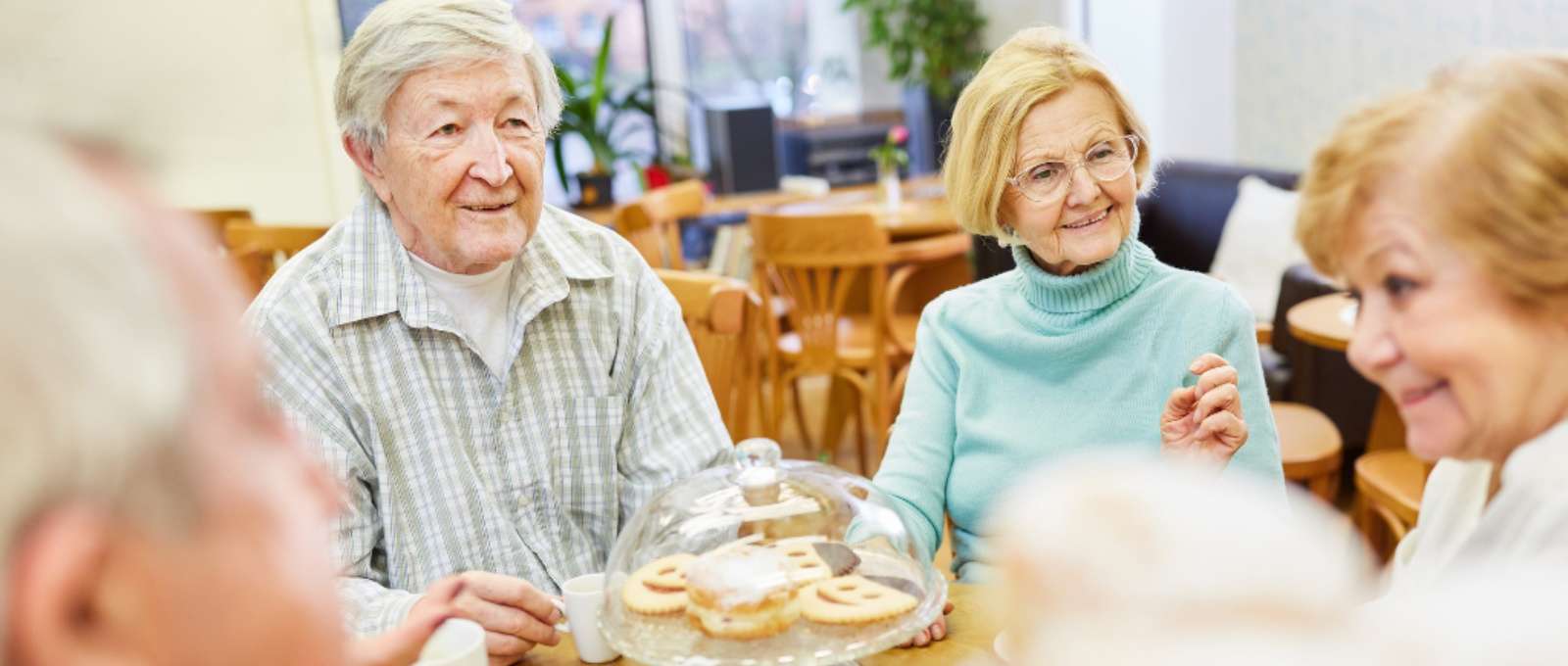
As we age, our needs and desires change, but one thing that remains important throughout life is connection. Building and maintaining meaningful relationships is crucial to ageing well. Whether it’s spending time with loved ones or forming new friendships, the impact of companionship on mental, emotional, and physical health is significant.
Why are meaningful connections important for ageing well?
Meaningful connections are vital for maintaining a sense of purpose, happiness, and overall wellbeing as we age. When older adults have the opportunity to connect with others, it can improve their mental health, reduce feelings of loneliness and provide emotional support. These connections help prevent isolation, which is a major risk factor for depression and other health issues among the elderly.
Having a companion can help someone age better by boosting their confidence, encouraging physical activity, and providing someone to talk to when things get tough. The importance of positive relationships extends beyond family; friendships and regular social interactions contribute to a sense of belonging, which is essential for quality of life.
Where can older adults form meaningful connections?
For older adults, there are many ways to form meaningful connections, whether through social activities, community groups, or even online. Here are a few ideas:
- Community centres and local clubs: Many towns and cities have community spaces offering activities like arts and crafts, exercise classes, or group discussions. These places provide excellent opportunities to meet others and form new friendships.
- Volunteering: Many older adults find joy in helping others, whether in their local community or through charity work. Volunteering provides not only a sense of purpose but also a chance to meet people with shared interests.
- Care homes and day centres: For those who live in care settings or attend day centres, these places often arrange social events, outings, or simply create space for residents to gather and chat.
- Online groups: For those who may have limited mobility or live far from family, joining online communities or social media groups can be an excellent way to meet others and stay engaged.
For more suggestions of activities running in your local area, visit the Age UK website and enter your postcode.
Meaningful connections for people with limited mobility
There are many ways older adults with limited mobility can form meaningful connections and age better. Here are some ideas:
- Phone and video calls: Staying connected with loved ones through regular phone calls or video chats can offer comfort and support. This also helps build a sense of closeness, even when family members can’t be there in person.
- Home visits: Many elderly people with mobility issues benefit from home visits from family, friends, or even professional carers. A friendly companion can make all the difference in reducing loneliness and encouraging mental stimulation.
- Pets: For some, having a pet can provide an essential source of companionship. Pets offer unconditional love and can help boost the mental and emotional health of their owners.
- Online social groups: Online platforms offer an opportunity to connect with others. Whether it’s joining a group dedicated to a hobby or a forum for people with similar life experiences, digital companionship can play a huge role in helping older adults stay socially active.
- Employ a Care Assistant: Care Assistants can provide both care and companionship. They can support elderly loved ones to continue doing the things they enjoy.