

Scams targeting elderly people are becoming more common and are getting harder to spot. At Christmas, older people can be more vulnerable and charitable which scammers exploit. It’s normal to feel concerned yourself or worried about a loved one falling victim to fraud but being aware of what to look out for and what to do in the event of a scam can help.
How common are scams targeting the elderly?
Earlier this year, Age UK surveyed 10,000 over 50s. 41% of responders reported that they had been scammed in the last 5 years. For those who lost money, the average was £2,022 with 22% of those who lost money never recovering it.
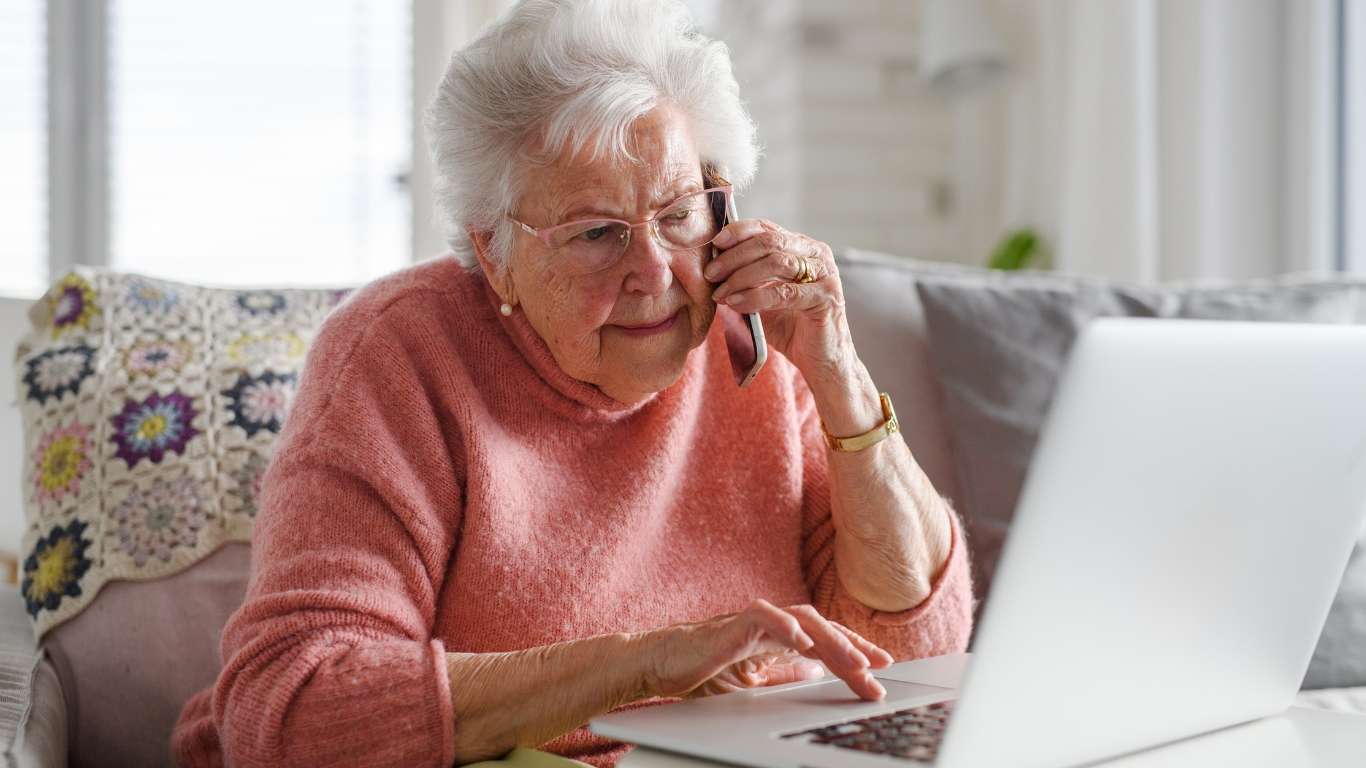
Scammers often see older people as easy targets. They may not be as familiar with technology, making them more likely to trust phishing emails or suspicious phone calls. Loneliness also plays a role with fraudsters using friendly conversations to build trust and deceive their victims.
What scams should you look out for?
Scammers are becoming increasingly sophisticated, using technology to gain access to sensitive details and steal money. Here are some scams to look out for:
- Phishing emails and texts: These messages try to trick people into clicking links and sharing sensitive details, like passwords or bank information. They might pose as trusted organisations like your bank or the NHS.
- Fake delivery notifications: You might receive fake texts asking to pay a fee for a parcel that doesn’t exist.
- Charity fraud: Fraudsters pose as charities, using emotional manipulation to steal money or card details.
- Investment scams: Promises of easy money and investment schemes.
- Phone scams: Callers pretending to be from banks, government agencies, or utility companies use fear to pressure their people into transferring money or revealing personal details.
Age UK has more information about scams and fraud on their website.
How to protect older people from scams
There are many things you can do to help keep loved ones protected:
Raise awareness about scams targeting the elderly
Talk to your loved ones about common fraud tactics. Explain how phishing scams work and encourage them to think twice before clicking on links or sharing personal information.
Help set up protections
- Register their phone number with the Telephone Preference Service to block cold calls.
- Install call-blocking devices or apps to reduce unwanted calls.
- Use antivirus software and keep their devices updated.
Explain verification
Encourage them to verify any requests, whether they’re by email, phone, or text. For example, they should hang up and call their bank directly if they receive a suspicious call.
Secure their finances
- Set up strong, unique passwords for their online accounts.
- Enable two-factor authentication to make it harder for scammers to access sensitive information.
- Consider prepaid cards with set limits for online purchases.
Shop smart online
Remind them to stick to well-known websites and to check for secure payment methods. If in doubt, they should avoid sharing payment details.
What to do if a loved one falls victim to fraud
Being scammed is distressing but there is help and support available. The guidance given by Citizen’s Advice is to protect the victim from further risks, check if they can get their money back and report the scam. Their online tool can give you advice specific to your situation.
If your loved one is caught up in a scam, act quickly:
- Report the fraud
Contact the bank immediately to freeze accounts and limit losses. - Change passwords
Change your password as soon as possible. If you’ve used the same password on any other accounts you should change it there too. - Check for further issues
Help them check their credit report for signs of identity theft. This will show if scammers have opened accounts in their name. - Support them emotionally
Being scammed can be upsetting. Reassure your loved one it’s not their fault and encourage them to share how they feel. - Learn from the experience
Look into additional protections to reduce the risk of phishing or other scams targeting the elderly in the future.
Scams targeting elderly people are an unfortunate reality and it’s important to stay informed and vigilant. By taking steps to protect your loved ones and encouraging open conversations about phishing and fraud, you can help them feel confident and safe.

Why choose Bright Care
Bright Care can provide in-home care and companionship for elderly loved ones. We focus on building meaningful relationships with our clients and are there to offer practical and emotional support. Our tailored in-home care services provide peace of mind for families who cannot always be there to care for their loved ones.
If you would like to know more about the companionship care services we offer to those in their later years, please get in touch with our team today.
We are recruiting exceptional Care Assistants in the South East of England and Scotland. If you are interested in a rewarding career in care, please apply now.
