


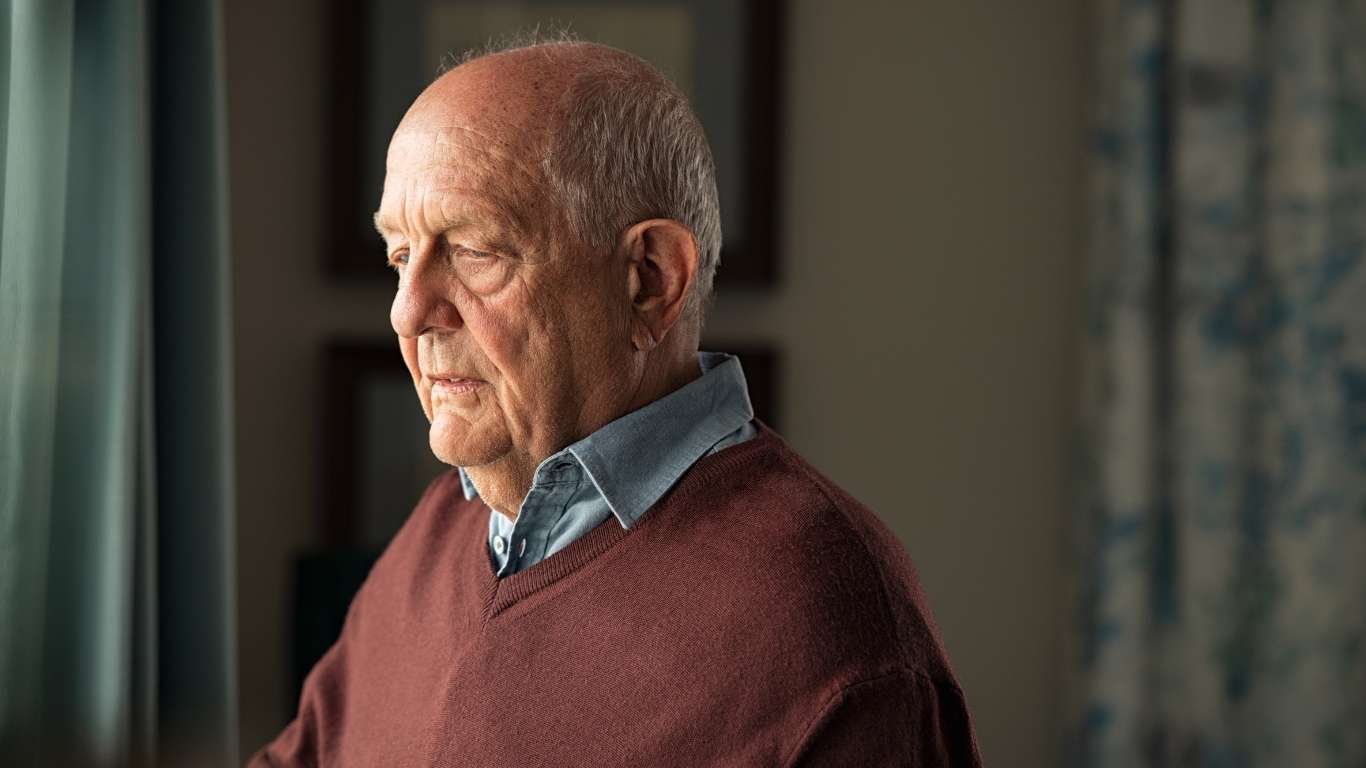
Loneliness is a growing issue in the UK, especially for older people. As we age, it can become harder to maintain social connections and, without support, loneliness can start to affect our mental and physical health. Recent research by The Centre for Ageing Better has highlighted that, as they age, men are less likely than women to say that they have people to rely on if they need help.
Not feeling like you have anyone to rely on can lead to feelings of loneliness and it can be hard to know how to build connections with others. Whether you’re a man experiencing feelings of loneliness yourself or you want to support a loved one, there are practical steps that can make a big difference.
Why are older men more likely to feel lonely?
There are a few reasons why men may struggle more than women to maintain strong social networks as they age, these include:
- Traditional gender roles – In the past, many men’s friendships were built around work or shared activities like sport, rather than emotional connection. When they retire or lose those routines, it can be hard to replace those bonds.
- Reluctance to open up – Men are often less likely to talk about their feelings or reach out for help when they’re feeling low. This can make it harder to build close, supportive relationships.
- Smaller social circles – Older women tend to have larger social networks and are more likely to maintain friendships over time. This means that when men lose a spouse or close friend, they may find themselves disconnected from wider social circles.
How to stop being lonely
If you’re feeling lonely, it’s important to remember that there are things you can do to improve your social connections. Here are some practical steps you can take:
1. Reconnect with old friends
It’s easy to lose touch with people over the years, but reaching out to old friends can be a great way to rebuild your social circle. Even a simple phone call or message to someone you haven’t spoken to in a while can start the process of rekindling a friendship.
2. Join local groups
There are many clubs, activities, and groups aimed at older men across the UK. Whether it’s a gardening club, a walking group, or a men’s shed (a community space for men to connect and work on practical projects), these provide an opportunity to meet new people and build friendships around shared interests.
3. Volunteer
Volunteering is not only a way to give back to your community, but it’s also a great way to meet new people. Organisations like Age UK or The Royal Voluntary Service offer various volunteering roles that can help you connect with others while making a positive impact.
4. Embrace Technology
Technology can help you stay connected, particularly if you have decreased mobility and find it difficult to get out and about. Video calls, social media, or even online forums for hobbies or interests can provide a way to talk to people regularly without leaving home.
5. Get Active
Physical activity is not only good for your body, but it’s also great for your mind. A short walk in the park, a gentle yoga class, or even light stretching at home can boost your mood. Many local councils offer free or low-cost fitness classes tailored to older adults. Exercising with others can provide opportunities to meet new people, while also helping to keep your mind and body healthy.
Encouraging men to ask for help
One of the most important things to remember is that it’s okay to ask for help if you’re feeling lonely. This could mean talking to a family member, reaching out to a neighbour, or even contacting a helpline like The Silver Line which offers free, confidential chats for older people.
If you know a man who may be feeling isolated, offering support, whether through a simple check-in or encouraging them to get involved in social activities, can make a huge difference.
The feeling of loneliness can affect anyone but it is important to remember that it doesn’t have to be permanent. By taking steps to rebuild connections and seek out new opportunities, older men can improve their wellbeing and enjoy a fuller, more connected life.
Why choose Bright Care
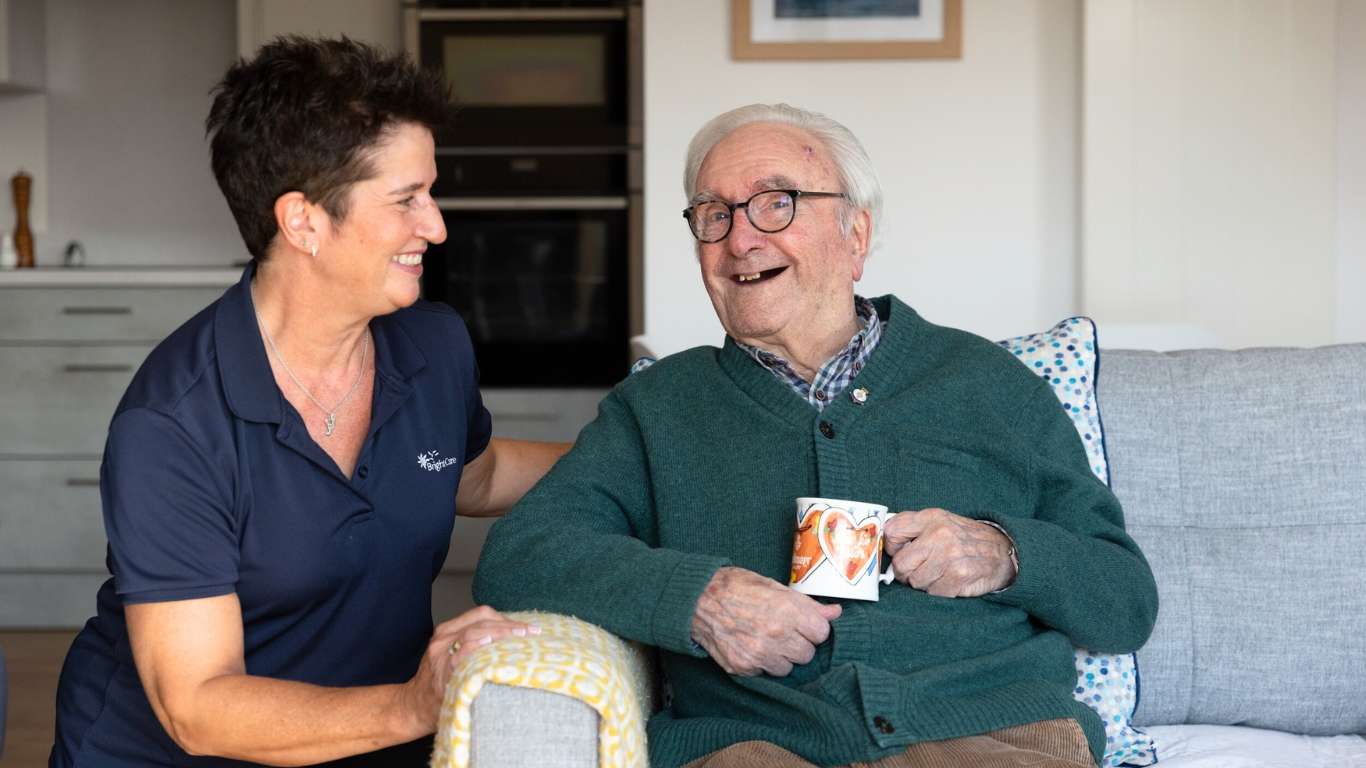
Bright Care can provide in-home care and companionship for elderly loved ones. We focus on building meaningful relationships with our clients and are there to offer practical and emotional support. Our tailored in-home care services provide peace of mind for families who cannot always be there to care for their loved ones.
If you would like to know more about the companionship care services we offer to those in their later years, please get in touch with our team today.
We are recruiting exceptional Care Assistants in the South East of England and Scotland. If you are interested in a rewarding career in care, please apply now.
