

As we get older, our bodies change, and so do our nutritional needs. Good nutrition is key to ageing well, helping us stay strong, maintain our independence and live a happy, healthy life. Eating the right foods helps older adults prevent illness, recover from injuries, and keep energy levels up. In this month’s Ageing Well blog, will explain why nutrition matters as we age, what foods are important, and how caregivers can support healthy living in older adults.
Why is nutrition important as we age?
Eating well becomes even more important as we get older. As we age, our bodies become less efficient at absorbing nutrients, so it’s important to eat foods rich in vitamins and minerals. Good nutrition helps older adults:
- Maintain muscle strength – this helps with mobility and balance, reducing the risk of falls.
- Boost the immune system – eating well helps fight off illness and infections.
- Support brain function – a healthy diet can keep the brain sharp, which is important for memory and mental health.
- Improve digestion – as we age, our digestive system slows down. Fibre and plenty of fluids are important to keep things moving.
Good nutrition plays an important role in ageing better, giving older adults the energy and strength to enjoy life and keep active.
What should older adults be eating?
Eating a balanced, healthy diet is key to ageing well and there are some important foods and nutrients to focus on:
- Protein – helps maintain muscle mass. Good sources include lean meats, fish, eggs, beans, and dairy products.
- Fibre – important for digestion and heart health. Choose whole grains, fruits, vegetables, and legumes.
- Calcium and Vitamin D – these nutrients are essential for bone health. Dairy products, leafy green vegetables, and fortified foods are great sources. Consider a vitamin D supplement, especially in the winter months when we don’t get much sunlight.
- Healthy fats – found in fish, nuts, seeds, and olive oil, these fats help keep the heart healthy and support brain function.
- Fluids – staying hydrated is important for healthy living, especially since older adults may not feel as thirsty as they used to. Water, herbal teas, and milk are good choices.
It can be helpful to eat smaller meals more often, as appetites can decrease with age.
How can you ensure older adults eat well?
If you’re caring for an older adult, there are a few ways you can help them maintain a balanced diet and support their healthy living:
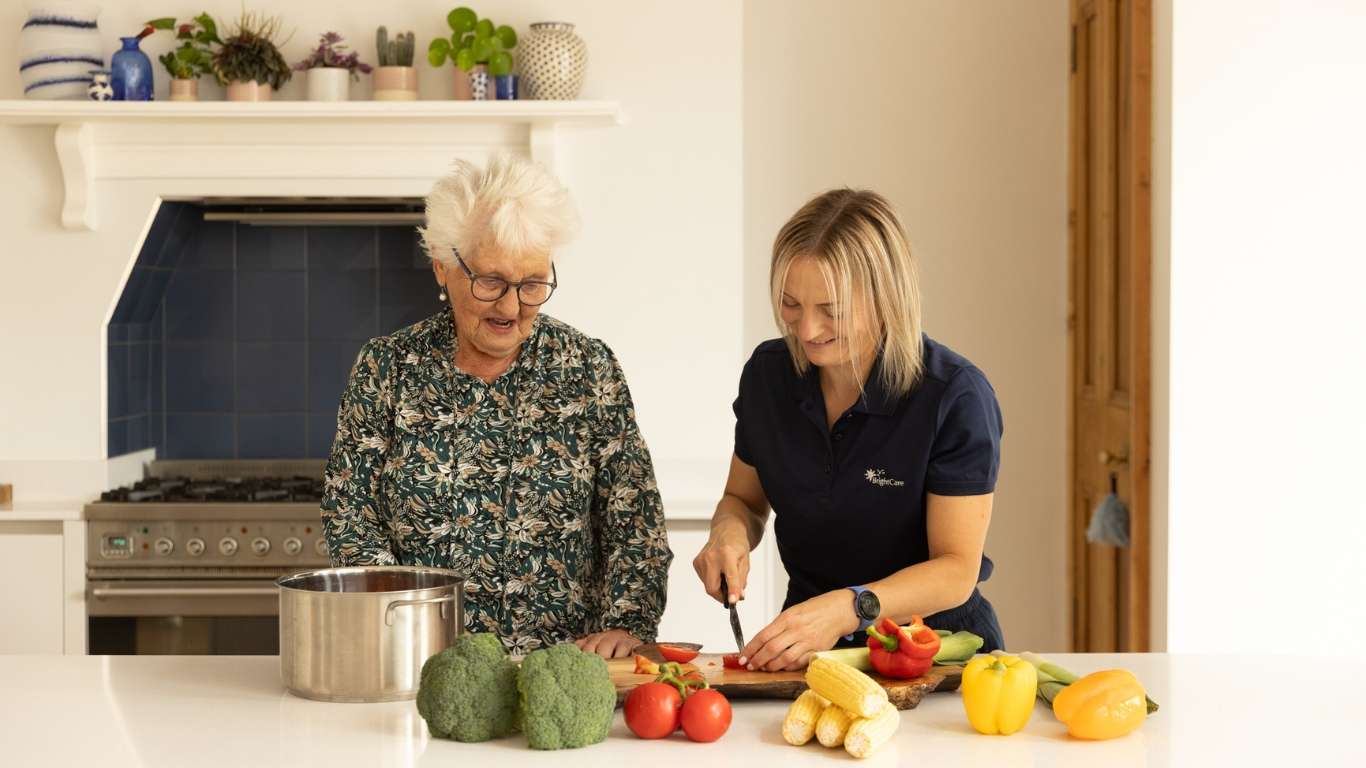
- Plan balanced meals – make sure each meal includes a mix of protein, fibre, and healthy fats. Preparing food in advance can make it easier to provide nutritious meals regularly.
- Encourage social meals – eating together can make mealtimes more enjoyable, which can encourage better eating habits. If possible, arrange for older adults to eat with family, friends, or at community centres.
- Make meals easy to eat – some older adults may have difficulty chewing or swallowing. Serve softer foods like stews, soups, or mashed vegetables and cut meat into small pieces to make meals easier to handle.
- Watch for weight changes – keep an eye on weight, as both unintentional weight loss and gain can be signs of nutritional problems. If you are concerned, always speak to a healthcare professional.
- Offer healthy snacks – if appetite is an issue, offering small, healthy snacks between meals can help. Fruit, yoghurt, or a handful of nuts are all good options.
If you would like to know more about good nutrition for the elderly, why they may find eating well difficult and where to get healthy ready meals, you can visit the resources section of our website.
Why choose Bright Care
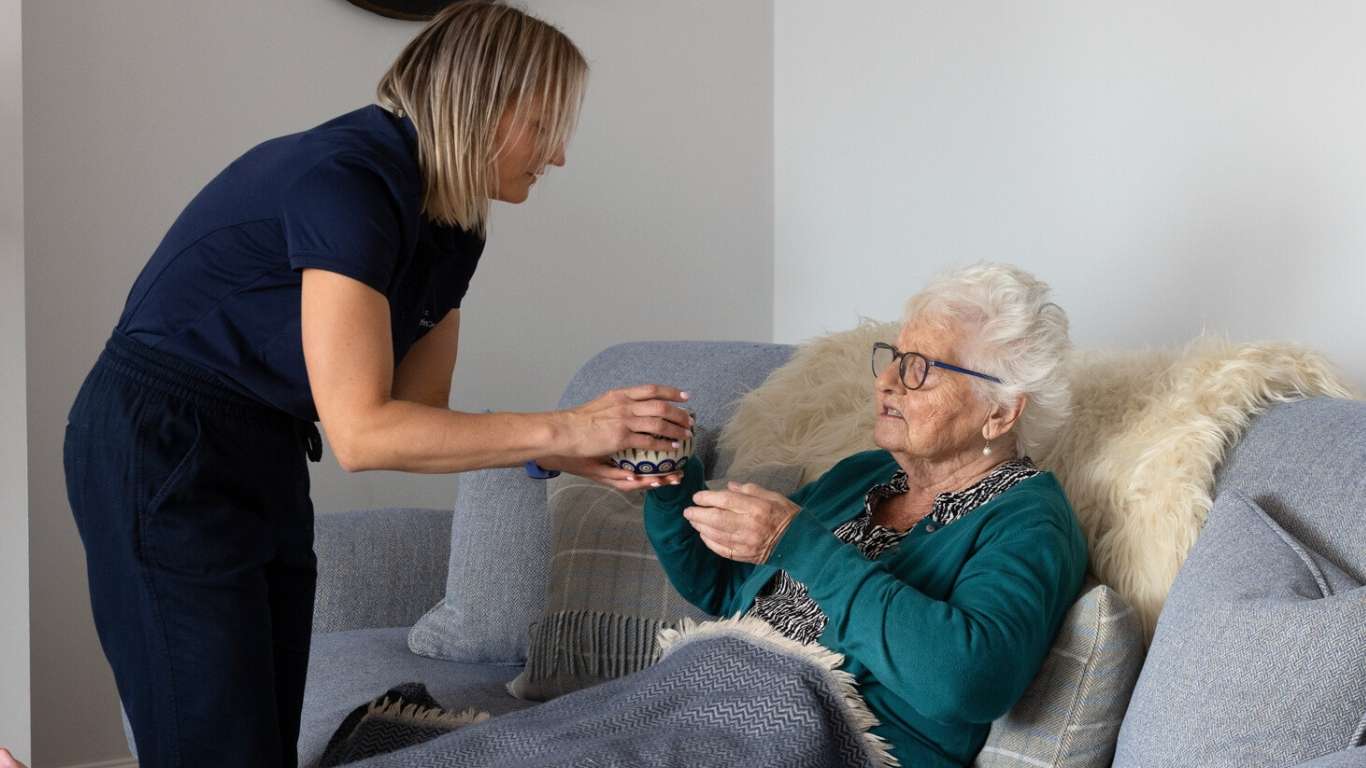
Bright Care can support you with elder care for your loved one. We offer hourly, overnight and live-in care options and our carers can help with a variety of domiciliary care services including shopping, preparing and cooking healthy meals and snacks.
If you would like to know more about the companionship care services we offer to those in their later years, please get in touch with our team today.
We are recruiting exceptional Care Assistants in the South East of England and Scotland. If you are interested in a rewarding career in care, please apply now.
